

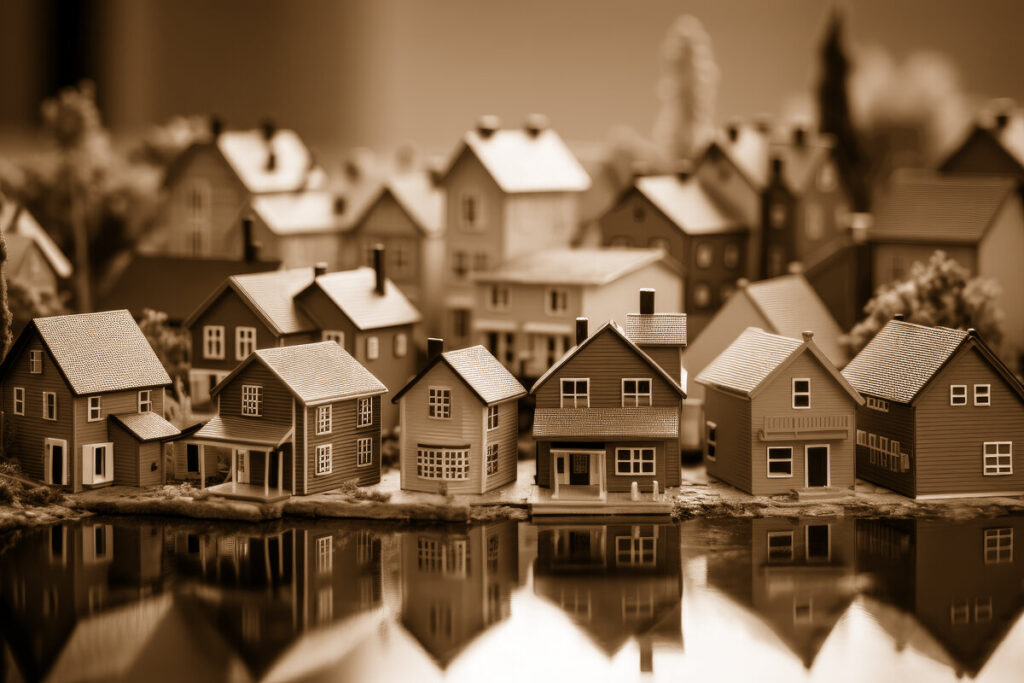
Nestled in the heart of Downers Grove, the Orchard Brook neighborhood stands as a testament to the enduring sense of community, beautiful green spaces, and rich heritage that has defined this corner of Illinois for generations. While newer developments have sprouted across the suburbs over the decades, Orchard Brook remains a cherished enclave—where history lives quietly on tree-lined streets and neighbors greet one another by name.
The Origins of Orchard Brook
The land that would become Orchard Brook, located north of 63rd Street and east of Main Street, was once covered in orchards and farmland—a nod to the area’s agricultural roots. In the 1960s, as Downers Grove began expanding to accommodate Chicago’s growing suburban population, a group of visionary developers chose this site for its rolling terrain, mature apple trees, and picturesque brooks that meandered through the fields.
The name "Orchard Brook" was no accident; it honored both the significant apple orchards that once supplied local families and markets, and the gentle creeks that flowed through the natural landscape. This blend of cultivated beauty and winding waterways gave the neighborhood its unique charm, one that the original planners vowed to preserve as they mapped out winding streets and ample green spaces.
Building a Neighborhood: Key Milestones
Construction in Orchard Brook began in the mid-1960s, with the earliest homes springing up along Brookbank Road, Lyman Avenue, and Springside Avenue. Mid-century ranches and split-levels were popular architectural choices, reflecting both national tastes and the desire for homes that fit seamlessly into the natural topography.
One of the pivotal developments in Orchard Brook’s early years was the establishment of the Orchard Brook Clubhouse and its surrounding park at 1111 63rd Street. The community-owned pool, tennis courts, and green-space quickly became the social heart of the neighborhood—a gathering place for residents to swim in the summer, celebrate milestones, or simply enjoy picnics under mature oaks and maples. The clubhouse itself, with its understated mid-century design, remains a proud landmark, symbolizing Orchard Brook’s commitment to fostering community ties.
Notable Landmarks and Beloved Spaces
Beyond the clubhouse, Orchard Brook is dotted with thoughtful treasures:
- Orchard Brook Park: Located in the center of the neighborhood, this park is perfect for children’s playdates, family barbecues, and relaxing afternoons. Mature landscaping echoes the land’s orchard past and provides gentle shade each summer.
- Neighborhood Tree-Lined Streets: Streets such as Springside Avenue and Orchard Brook Drive are renowned for their canopies of old-growth trees, many of which predate the development itself and serve as living reminders of the area’s rural history.
- Close-Knit Schools: Children from Orchard Brook have attended esteemed local schools such as El Sierra Elementary, O’Neill Middle School, and Downers Grove South High School, each deeply integrated with the broader community.
Evolution Through the Decades
While Orchard Brook’s first residents settled in the late 1960s, the neighborhood—like Downers Grove itself—has never stopped evolving. The development’s second phase saw even more attention paid to green space preservation and traffic-calming layouts, reflecting a responsiveness to residents’ desires for both beauty and safety.
Over the years, the Association of Orchard Brook Homeowners has played a pivotal role in fostering neighborhood traditions. Seasonal celebrations, from annual Easter egg hunts to the cherished Fourth of July parade, have forged lasting bonds between generations of residents. These shared experiences, held in the heart of Orchard Brook Park or along neighborhood streets, are living traditions that deepen the area's sense of heritage.
As Downers Grove has grown and welcomed new families from across the region, Orchard Brook has retained its unique appeal by carefully balancing progress with preservation. Many original mid-century homes have been updated with modern amenities, yet the core design principles—curved roads, spacing between houses, and an abundance of trees—remain unchanged. The homeowners’ association continues to steward the architectural and landscaping guidelines that give the neighborhood its storybook quality.
The Spirit of Orchard Brook Today
Orchard Brook is more than just a collection of houses—it’s a vibrant tapestry of memories, shared celebrations, and neighborly care. Walking along the gentle bends of Springside Avenue or pausing at the clubhouse on a balmy summer evening, it’s easy to see why so many families choose to put down roots here, generation after generation.
The legacy of the area’s orchards lives on in the community’s lush gardens and annual plant exchanges, while the creeks—though now largely hidden—can still be heard bubbling after a spring rainstorm. Each fall, the splendor of orange and crimson leaves reminds residents of the land’s storied past, bringing neighbors together for seasonal picnics and strolls.
Orchard Brook’s story isn’t just about history—it’s about belonging, stewardship, and the shared values that turn a collection of streets into a true neighborhood. Whether you’re a newcomer or a lifelong resident, the scenery, spirit, and sense of continuity here make it a Downers Grove treasure.
Conclusion: A Neighborhood with Roots and a Future
The Orchard Brook neighborhood stands today as a shining example of what makes Downers Grove special: a respect for heritage, a devotion to green spaces, and an unwavering commitment to community. As historic homes welcome new families and long-standing traditions continue to flourish, Orchard Brook remains a place where the past and present harmoniously blend, promising a bright future for generations to come.